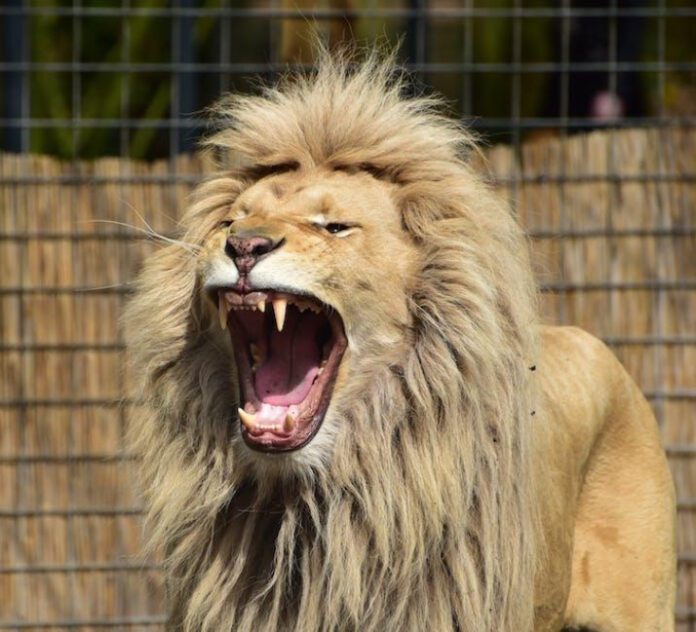

Have you ever wondered just how tall a lion really is? While many may think of lions as towering and imposing creatures, the reality is that their actual height may surprise you. In this article, we will explore the average height of a lion and provide evidence to support the claim that these majestic animals are not quite as towering as they are often portrayed. Prepare to have your perception of lion height challenged as we delve into the facts and figures surrounding the size of these iconic predators.
Table of Contents
- The Average Height of a Fully Grown Male Lion
- Factors Affecting the Height of a Lion
- Comparative Analysis: Lion Height vs Other Big Cats
- Why Accurate Measurement of Lion Height is Important
- The impact of Height on a Lion’s Social Status in the Pride
- Q&A
- In Summary
The Average Height of a Fully Grown Male Lion
Male lions are known for their impressive size and stature, and one of the defining characteristics of these majestic creatures is their height. When fully grown, a male lion can reach an average height of around 4 feet at the shoulder. This makes them one of the tallest big cats in the world, surpassed only by the Siberian tiger.
Despite their impressive height, male lions are not the tallest members of the cat family. However, their size still commands respect and makes them formidable predators in their natural habitat. Their height gives them a powerful advantage when hunting and defending their territory, allowing them to dominate their environment and ensure their survival.
| Lion Type | Average Height at Shoulder |
| Male Lion | 4 feet |
| Female Lion | 3.5 feet |
Factors Affecting the Height of a Lion
There are various factors that can affect the height of a lion, making it difficult to pinpoint an exact measurement. However, one of the most significant factors is the lion’s subspecies. Different subspecies of lions can vary in size, with the largest being the Asiatic lion and the smallest being the Southwest African lion. This variation in subspecies can lead to differences in height.
Additionally, genetics play a crucial role in determining the height of a lion. Just like humans, lions inherit their physical traits from their parents, including their height. This means that if a lion comes from a lineage of large, tall lions, it is more likely to be taller compared to a lion with a lineage of smaller lions. Environmental factors such as access to food and overall health can also impact a lion’s growth and, consequently, its height.
Comparative Analysis: Lion Height vs Other Big Cats
When it comes to the height of big cats, the lion is often considered the king of the jungle, but how does its height compare to other big cats? Let’s take a closer look at the comparative analysis of lion height versus other big cats.
First, let’s address the majestic lion’s height. A fully grown male lion can reach a shoulder height of about 4 feet (120 cm), while a female lion can reach a shoulder height of 3.5 feet (105 cm). Now, how does this stack up against other big cats?
In comparison, the tiger, known for its size and strength, stands slightly taller than the lion, with the average shoulder height of a male tiger being approximately 3.6 feet (110 cm). However, the lion’s shoulder height is still quite formidable compared to other big cats such as the leopard, which has a shoulder height of around 2.1 feet (65 cm). When considering the heights of these magnificent creatures, the lion certainly holds its own as an impressive and powerful species.
Why Accurate Measurement of Lion Height is Important
Accurately measuring the height of a lion is crucial for a number of reasons. First, having precise measurements allows for better management and conservation efforts for these magnificent creatures. Knowing the exact height of lions can help researchers and conservationists understand their behavior, habitat requirements, and population dynamics, which in turn can aid in the development of more effective conservation strategies.
Furthermore, accurate measurements of lion height can also contribute to the understanding of their physical development and health. Just like with humans, monitoring the growth and height of lions can provide valuable insights into their overall well-being and reproductive potential. This information is vital for ensuring the long-term survival of lion populations in the wild.
The impact of Height on a Lion’s Social Status in the Pride
When it comes to lions, height plays a crucial role in determining their social status within the pride. As the largest and most powerful member of the cat family, lions use their impressive stature to establish dominance and maintain order within their social groups. Here’s why height matters so much in the world of lions:
- Physical Dominance: Taller lions are often perceived as more physically imposing and intimidating, making them natural candidates for leadership roles within the pride.
- Ability to Protect and Provide: A lion’s height can also be indicative of its strength and hunting prowess, which are crucial for protecting the pride and providing food for its members.
- Mating Success: Taller lions are typically more attractive to potential mates, as their height can be a signal of good genetics and overall fitness.
So, just how tall is a lion? Adult male lions can reach a shoulder height of around 4 feet, while females are slightly smaller, with an average shoulder height of 3.5 feet. These impressive measurements play a significant role in shaping the social dynamics and hierarchy within a lion pride, highlighting the importance of height in the lives of these majestic creatures.
Q&A
Q: How tall is a lion?
A: Lions are known to be one of the tallest species of cats, with male lions standing at around 4 feet and females slightly smaller at around 3.5 feet at the shoulder.
Q: Doesn’t the mane add extra height to a lion?
A: The mane of a male lion can certainly create the illusion of extra height, but it does not significantly change their actual standing height.
Q: Are there any variations in height among different lion populations?
A: There can be some variation in height among different lion populations, based on factors such as genetics, diet, and environmental conditions. However, the general height range mentioned earlier is typical for lions in the wild.
Q: How does the height of a lion compare to other big cats?
A: When compared to other big cats, such as tigers and leopards, lions are generally taller and larger in size. This contributes to their reputation as the “king of the jungle”.
Q: Why is it important to know the height of a lion?
A: Understanding the physical characteristics of lions, including their height, is important for conservation efforts, wildlife management, and for gaining a better appreciation of these majestic animals. It also helps researchers and wildlife enthusiasts to understand the unique adaptations and behaviors of lions in their natural habitat.
In Summary
In conclusion, the height of a lion is often underestimated and misunderstood. With the average male lion standing at around 4 feet tall at the shoulder, and some exceptional individuals reaching up to 6 feet, these majestic creatures command respect and admiration for their impressive stature. It is important to challenge and correct misconceptions about lion height, as it is a vital part of understanding and appreciating these powerful and awe-inspiring animals. By recognizing and acknowledging the true height of the lion, we can deepen our appreciation for their magnificence and better protect and conserve this iconic species for generations to come.


